Scene 04 · How did this happen?
The rigor stayed. The pathway changed.
None of this simplified the work. It scaffolded the work, one new complexity at a time, until the structure disappeared into habit.
The question was never how to lower expectations for younger students. It was this one:
How could I make sophisticated thinking accessible without sacrificing high expectations?
The answer was to chunk complex analytical skills into manageable steps, hand students a thinking process they could hold, and then gradually release responsibility until they no longer needed any of it.
Four systems do the work. Each one was taught on its own, practiced until it was automatic, and only then combined with the next.
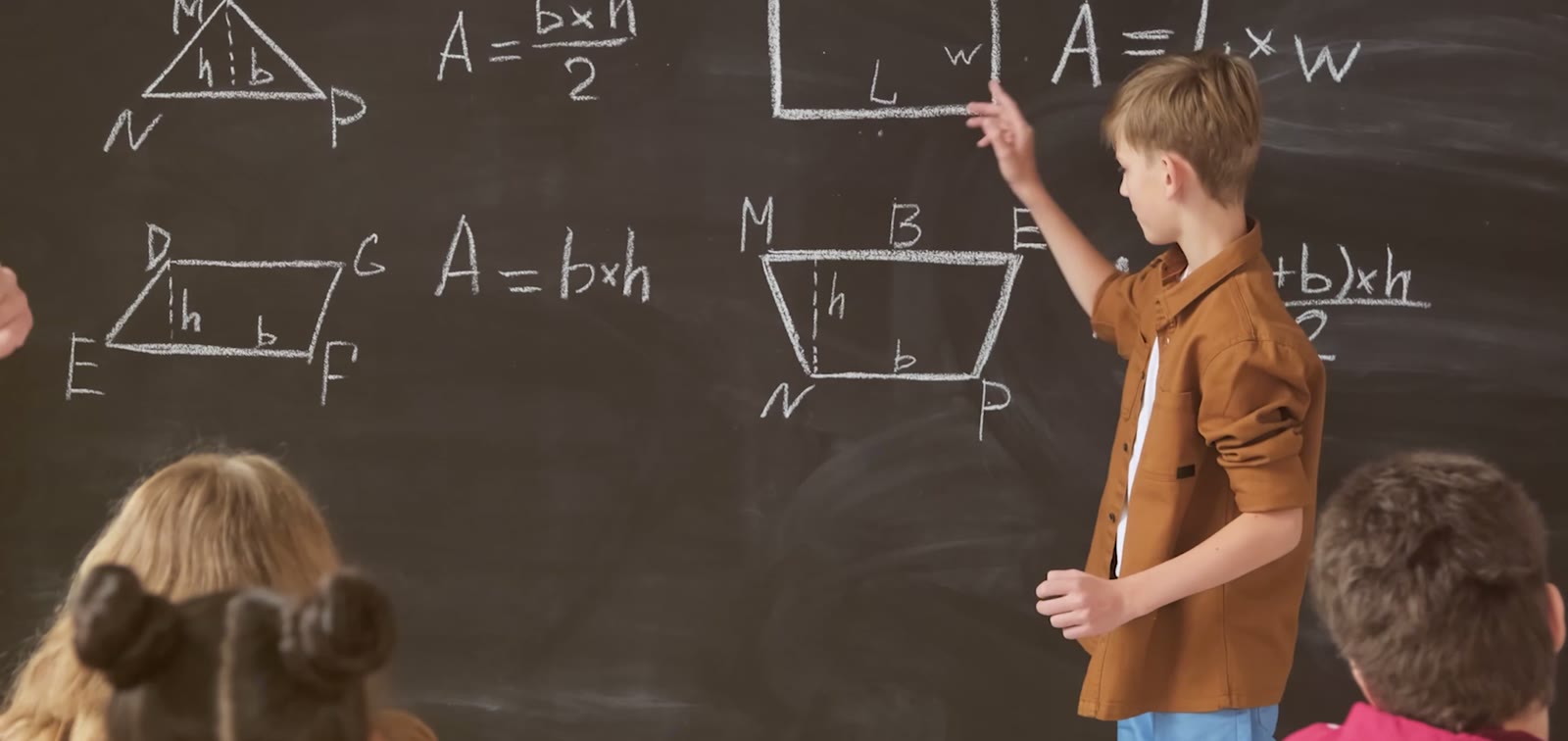
System one
Says · Means · Matters
The Think Tank Template
Three steps, learned through E.L. Achieve's work supporting English learners in constructing meaning from text. It never gave students the answers. It gave them the language and the confidence to express what they already understood.
Says
What does the text say?
Quote it.
Means
What does the text mean to say?
Find new words to paraphrase it.
Matters
Why is the content important?
Place value on why it matters.
The real success was never the template itself. It was the consistent implementation of the thinking process across every content area. Students began with short life quotes, progressed to TBEAR paragraphs, and eventually composed complete five-paragraph analytical essays.
The template was never the destination. Their authentic voice was. The template simply gave students the confidence to let that voice be heard.
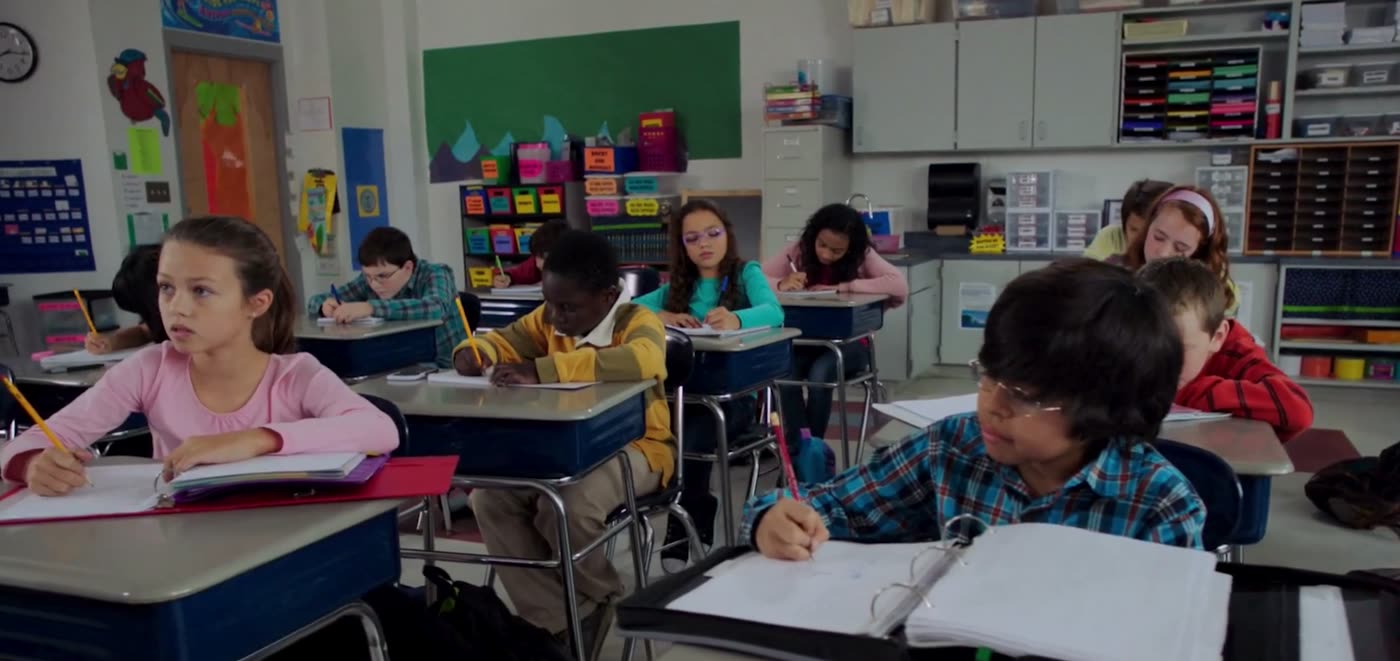
System two
TBEAR
The paragraph analysis system
Introduced with fables, because their brevity lets students spend their attention on the thinking process instead of decoding a difficult text. One new complexity at a time.
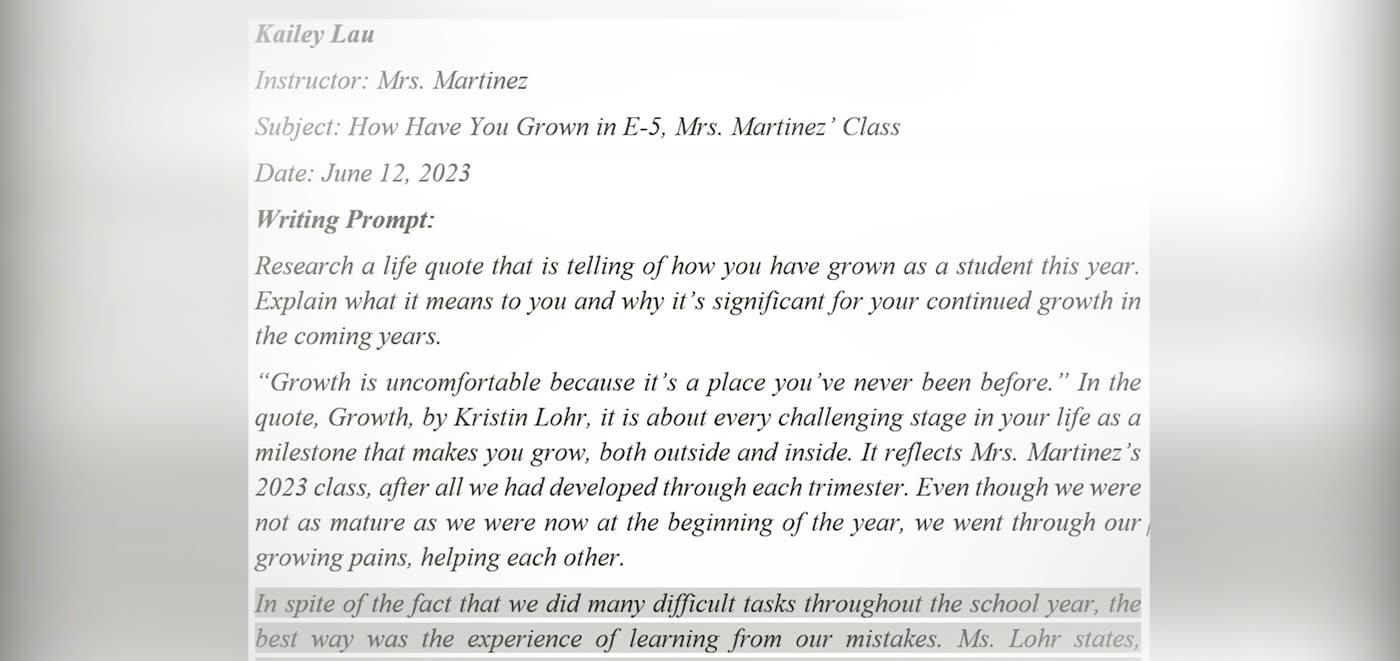
Connective sentences were another chunked lesson, added to give a paragraph a seamless and logical progression of ideas. For a sixth grader to become skilled in their explanations, conversation had to happen first.
Read the model paragraph on Student Voices and you can watch all five moves working at once, about a fable the class had read that morning.
System three
QTABO · OBATQ
Introductions and conclusions, taught in tandem
Because an introduction and a conclusion are two halves of the same whole, they are taught at the same time. The conclusion is the introduction read backwards. Students were soon walking across campus saying "Don't forget your QTABO."
QTABO · Introduction
- Quote or main idea
- Title
- Author
- Background
- Opinion or claim
Mirrored
OBATQ · Conclusion
- Opinion or claim
- Background
- Author
- Title
- Quote or main idea
Before joining Elk Grove Unified School District, Catherine studied a high-scoring essay from the California state assessment, analyzing its structure to understand why it worked so well. The framework came out of that analysis: efficient to teach, and easy for a child to remember.
As the structure became internalized it no longer limited their writing. It liberated it. Students had a reliable foundation on which they could experiment, refine their voice, and eventually turn writing from a formula into an art.
When they discovered they could carry the same system into science, social studies, and every other class, their confidence soared. They were no longer learning how to write for one teacher. They were learning how to think.
System four
Language Functions
The building blocks of academic discourse
Many students do not struggle because they lack ideas. They struggle because they have not yet developed the language structures to express those ideas clearly. So the structures are taught explicitly, one at a time, then woven together.

The conversation layer
Protocols, so airtime is designed rather than left to personality.
The writing systems only worked because the talking came first. These are the structures that made the talking equitable.
Talking Chips
Every student spends a chip to speak, so airtime is distributed by design rather than by personality.
Discussion Cards
Academic sentence starters students hold in their hands until they no longer need them.
Tool Kits
The student-owned reference set. Used religiously, then outgrown.
Gradual Release
I do, we do, you do. The teacher's role moves from instructor to facilitator on purpose.
Peer Editing
A five-step empathetic protocol, so feedback builds rather than breaks.
Costa's Levels
Turning textbook subheadings into questions worth arguing about.
Eleven chapters, eleven truths
The systems are the visible half. This is the other one.
Each chapter of the book opens with one of these, and then spends forty pages earning it.
Next · Scene 05
The Book
Five years of this work, the students, the systems, and the story, in one volume.